Why Retaining Walls Fail: Common Causes and How to Build Them Correctly
- Randy

- 1 day ago
- 4 min read
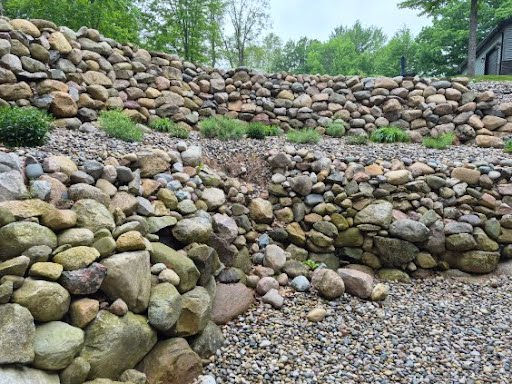
A retaining wall is much more than a stack of stone or concrete. Its purpose is to safely hold back thousands of pounds of soil while protecting your property from erosion, washouts, and structural damage. When a retaining wall is designed and installed correctly, it can last for decades. Unfortunately, many walls begin to lean, crack, bulge, or completely collapse because important construction practices were overlooked.
At Boulder Brothers LLC, we've repaired and rebuilt countless retaining walls that failed prematurely. In nearly every case, the failure could have been prevented by using proper materials, engineering principles, and installation techniques.
1. Poor Drainage
The number one reason retaining walls fail is inadequate drainage.
Water builds up behind a retaining wall every time it rains or snow melts. Without a way for that water to escape, tremendous hydrostatic pressure develops behind the wall. Eventually, the pressure pushes the wall forward until it begins to lean or collapse.
A properly constructed retaining wall should include:
Perforated drain tile installed behind the wall
Clean drainage stone surrounding the pipe
Filter fabric to prevent soil from clogging the drainage system
Proper outlets for water to escape
sloping the drainage pipe at least 1/8 inch per foot for proper drainage
Ignoring drainage is one of the fastest ways to shorten the life of any retaining wall.
2. Improper Foundation
Every retaining wall is only as strong as the foundation beneath it.
If the wall is built on loose soil instead of a properly compacted 6-8 inch crushed stone base, the foundation will settle unevenly over time. This movement causes the wall to shift, separate, and eventually fail.
A quality retaining wall begins with excavation to stable ground followed by a properly compacted aggregate base that evenly distributes the weight of the wall.
3. Using Stones That Are Too Small
Natural boulder retaining walls rely on the weight of each individual stone.
Many failing walls were built using rocks that simply aren't large enough for the height of the wall. Smaller stones can easily roll, shift, or become displaced under the pressure of the hillside.
Larger walls require larger boulders. Choosing the correct size stone is critical for long-term stability.
4. Incorrect Boulder Placement
Building a boulder wall takes more than stacking rocks.
Each stone should:
Lock tightly into surrounding stones
Rest securely on stable bearing points
Lean slightly back into the hillside
Be positioned to transfer weight evenly throughout the wall
Large gaps, unstable stacking, or placing oversized stones on smaller supporting rocks creates weak points that often lead to failure.
5. Lack of Proper Backfill
The material placed behind a retaining wall is just as important as the wall itself.
Using clay or ordinary soil directly behind the wall traps water and increases pressure. Instead, clean drainage stone should be installed immediately behind the wall to allow water to flow freely toward the drain tile.
Proper backfill dramatically improves drainage and reduces pressure against the wall.
6. No Reinforcement When Needed
Certain retaining walls require additional reinforcement depending on their height, soil conditions, and loading.
For example, timber retaining walls often require deadman anchors, while engineered block walls may require geogrid reinforcement extending back into the hillside.
Skipping these reinforcement methods can significantly reduce the strength of the wall.
7. Heavy Loads Above the Wall
Retaining walls are designed to support a specific amount of weight.
Parking vehicles, placing hot tubs, swimming pools, sheds, or other heavy structures near the top of a wall can dramatically increase the pressure acting against it. Without proper engineering, these additional loads may cause the wall to fail prematurely.
8. Freeze-Thaw Cycles
Michigan winters can be especially hard on retaining walls.
Water that becomes trapped behind or beneath a wall freezes and expands. As temperatures fluctuate, repeated freeze-thaw cycles gradually move stones, create voids, and weaken the structure.
Proper drainage and construction techniques help minimize freeze-thaw damage.
Signs Your Retaining Wall May Be Failing
Watch for these warning signs:
Wall leaning forward
Bulging sections
Large cracks
Stones moving or separating
Soil washing out behind the wall
Water leaking through unexpected areas
Sinking or uneven sections
Stairways shifting near the wall
Early repairs are often far less expensive than rebuilding a collapsed retaining wall.
Why Professional Installation Matters
Retaining walls are structural systems—not just landscaping features. Proper excavation, drainage, foundation preparation, stone selection, and installation all work together to create a wall that can safely withstand years of pressure from soil and water.
At Boulder Brothers LLC, we build retaining walls using proven construction methods, quality materials, and years of hands-on experience. Every project is designed with long-term durability in mind because we believe our customers deserve a retaining wall that looks beautiful today and remains strong for decades to come.
If your retaining wall is leaning, settling, or showing signs of failure, don't wait until it collapses. A professional inspection can identify the problem and help you determine the most cost-effective solution before more extensive damage occurs.
A retaining wall should protect your property—not become another problem to fix. Building it correctly the first time is always the best investment.


Comments